Currently Empty: ₹0.00
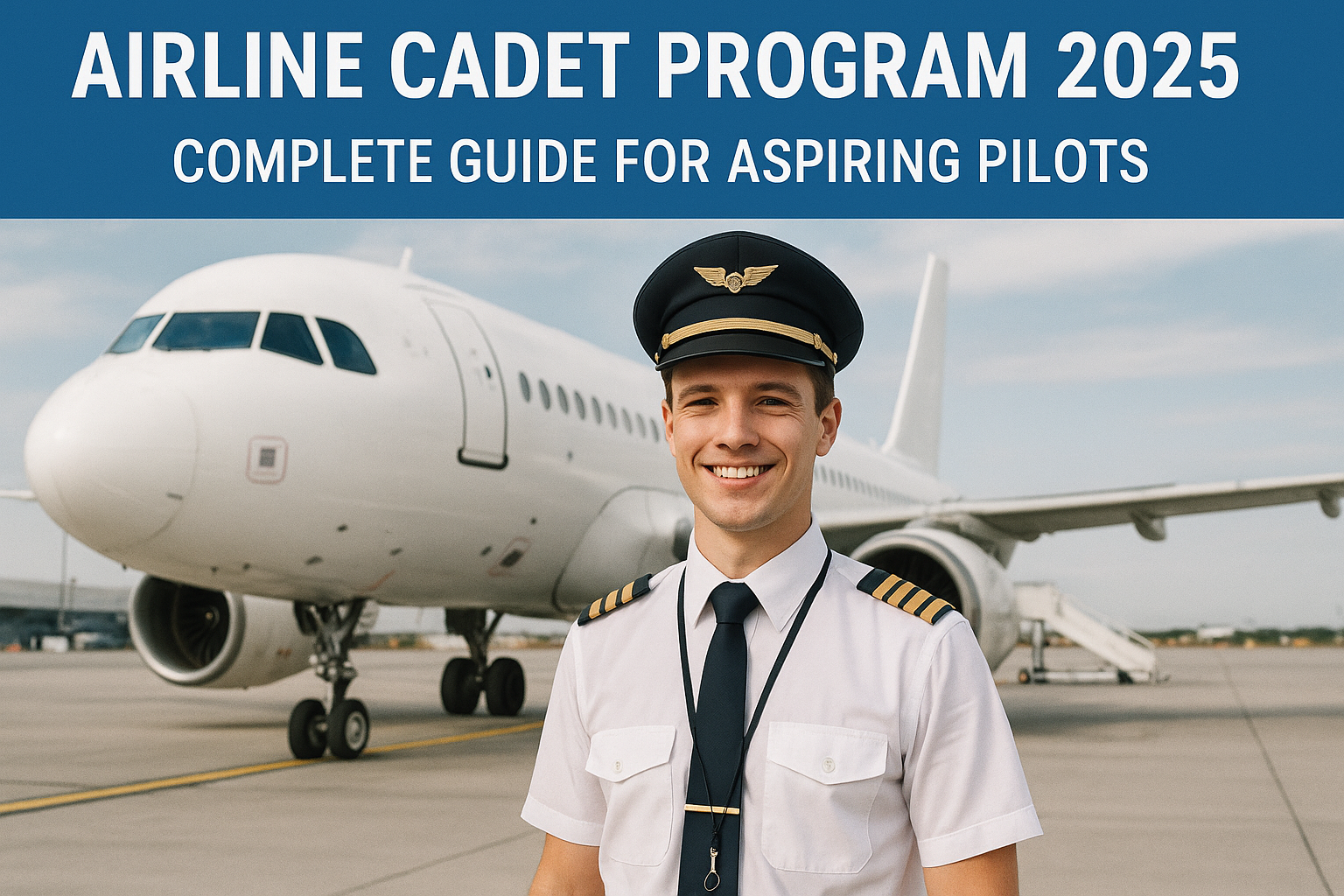
The Airline Cadet Program has emerged as one of the most trusted and efficient career pathways for aspiring pilots aiming to build a stable aviation future in 2025. With major airlines—IndiGo, Air India, Emirates, Qatar Airways, Vistara and others—rapidly expanding their fleets, the demand for highly trained and consistent pilots has grown significantly. For students who dream of entering the cockpit with clarity, confidence and an assured career route, the cadet program offers a structured, end-to-end training solution.
What makes the cadet program standout is its fully guided journey—from zero flying experience to becoming a certified First Officer with the airline that sponsors the program. Students receive well-designed training, periodic evaluations, modern simulators, and sometimes financial support. Most importantly, a successful cadet typically receives a job placement guarantee, which reduces the risk and uncertainty found in traditional pilot training.
In this blog, we break down how the Airline Cadet Program works, eligibility criteria, training phases, benefits, drawbacks, timelines and more. Whether you’re a 12th-pass student or someone exploring a pilot career as a fresh start, this guide will help you understand if the cadet route is the right choice for you in 2025.
Airline Cadet Program 2025 – Complete Breakdown
What is the Airline Cadet Program?
The Airline Cadet Program is an airline-sponsored pilot training pathway where students are selected, trained, evaluated, and groomed according to the airline’s own operational standards. Instead of completing your pilot training independently and later applying for jobs, cadet pilots follow a pre-designed airline roadmap, making the overall journey more structured and predictable.
Zero-to-First Officer Structured Pathway
The biggest attraction of the cadet program is its clear “zero-to-FO” process. Even if you have no aviation background, the program guides you through DGCA exams, flight training, simulator sessions, and eventually prepares you for the right seat as a First Officer.
Airline-Specific Training
Each airline partners with approved Flight Training Organisations (FTOs). These FTOs follow the airline’s training SOPs, safety culture, assessment patterns, and technical standards. By the time you complete the training, you are already aligned with the airline’s cockpit environment and operational philosophy.
Program Eligibility & Selection Criteria
Becoming a cadet pilot requires meeting certain academic, medical, and skill-based standards. While the exact criteria vary slightly between airlines, the core requirements remain the same.
Age, Education & Medical Fitness
- Minimum age: 17–18 years at the time of application
- Education: 10+2 with Physics, Maths, and English
- Minimum score requirement: Pass (some airlines prefer 50%+)
- DGCA Class 1 Medical fitness is mandatory
- Good communication skills and cognitive ability
Aptitude Test Rounds
Most airlines conduct a multi-stage evaluation process that includes:
- Written aptitude tests (logical reasoning, math, physics)
- Psychometric assessments
- Computer-based flying aptitude tests
- Group discussions & personal interviews
- Medical screening
This ensures the airline selects candidates who are trainable, disciplined, and capable of maintaining high cockpit standards.
Training Duration & Phases
Cadet training generally takes 18–24 months, depending on weather conditions, slot availability, DGCA processes, and airline timelines.
Ground Classes
Before flight training, cadets must clear DGCA Ground Classes subjects, like:
- Air Navigation
- Air Regulations
- Meteorology
- Technical General
- These classes are conducted by airline-approved institutes.
Flight Training
This phase is conducted in India or abroad based on airline partnerships. Cadets complete:
- 200+ hours of flying
- Solo flights
- Cross-country flights
- Night flying
- Instrument flying
All training is strictly monitored to match airline-level performance standards.
Type Rating
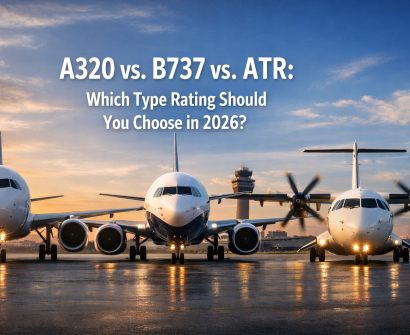
After obtaining the Commercial Pilot License (CPL), cadets undergo Type Rating, which trains them on the specific aircraft (A320, B737, etc.) that the airline operates. This includes simulator training, systems study, and line observation.
Benefits of Joining a Cadet Program
Job Guarantee
The most significant advantage is the assured job pathway. Once you pass all training phases and internal checks, you join the airline as a Junior First Officer. Unlike non-cadet pilots who often wait months for vacancies, cadets have structured placement timelines.
Financial Sponsorship
Some airlines provide partial or full sponsorship, easing the financial burden. Even where sponsorship is not available, banks provide loans more easily because cadet programs are considered lower-risk pathways.
Additional advantages include:
- Consistent training quality
- Airline-level exposure from day one
- Faster transition to the cockpit
- High skill development due to strict SOP training
Drawbacks & Important Considerations
While the cadet program offers excellent benefits, it comes with certain challenges:
- High upfront cost compared to traditional DGCA training
- Strict selection criteria—not everyone qualifies
- Intense training schedule
- Limited flexibility, as cadets must follow airline timelines
Students must evaluate their financial readiness and long-term career goals before enrolling.
Is the Cadet Program Right for You in 2025?
If you want a stable, guided, and job-assured route into aviation, the cadet program is one of the safest choices in 2025. With airlines expanding rapidly and pilot demand surging, trained cadet programs are expected to have a strong career start. However, aspirants must assess their aptitude, financial capacity, and commitment before taking this route.