Currently Empty: ₹0.00
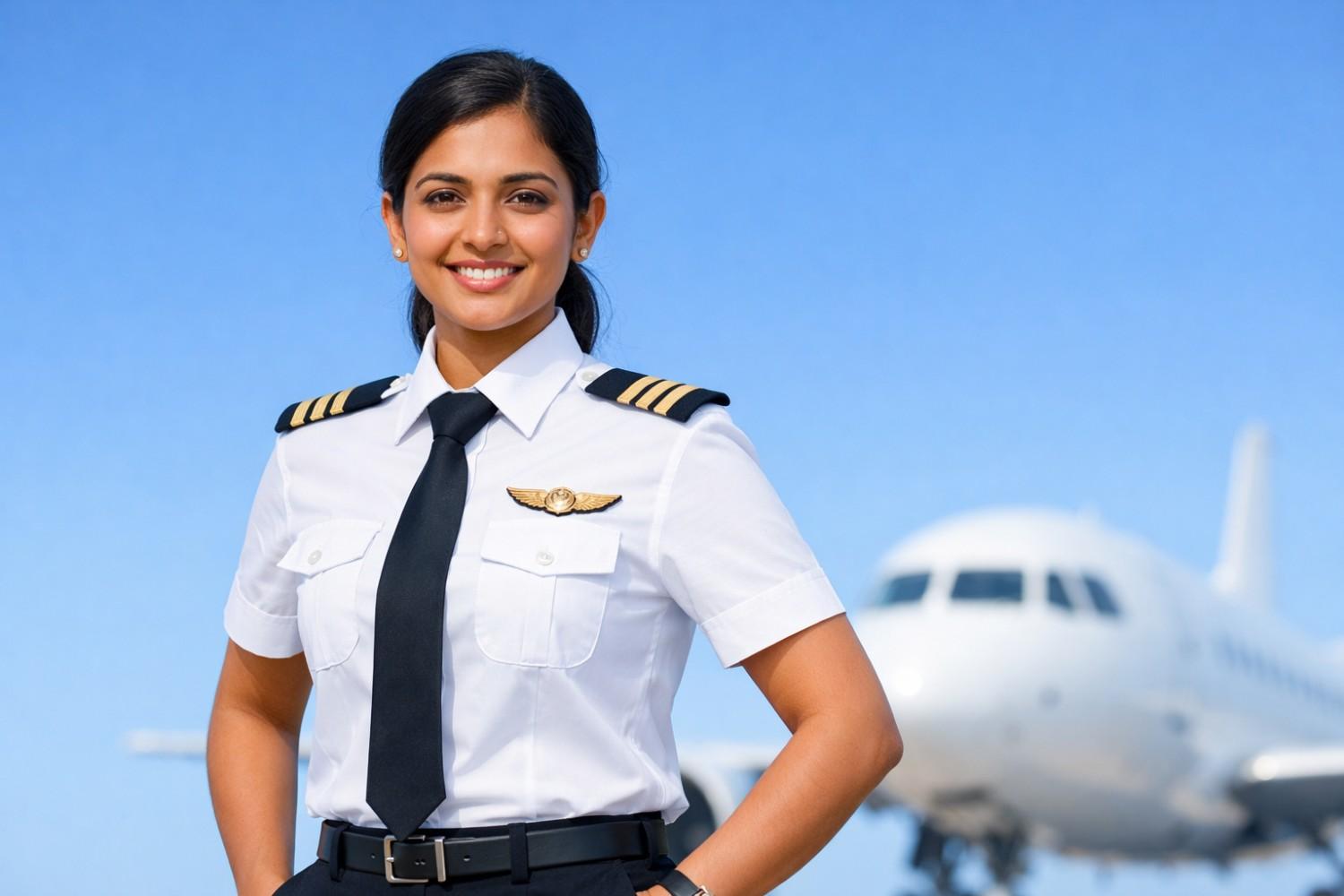
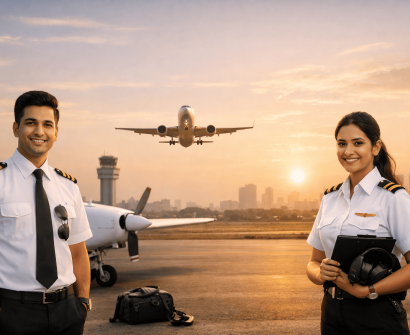
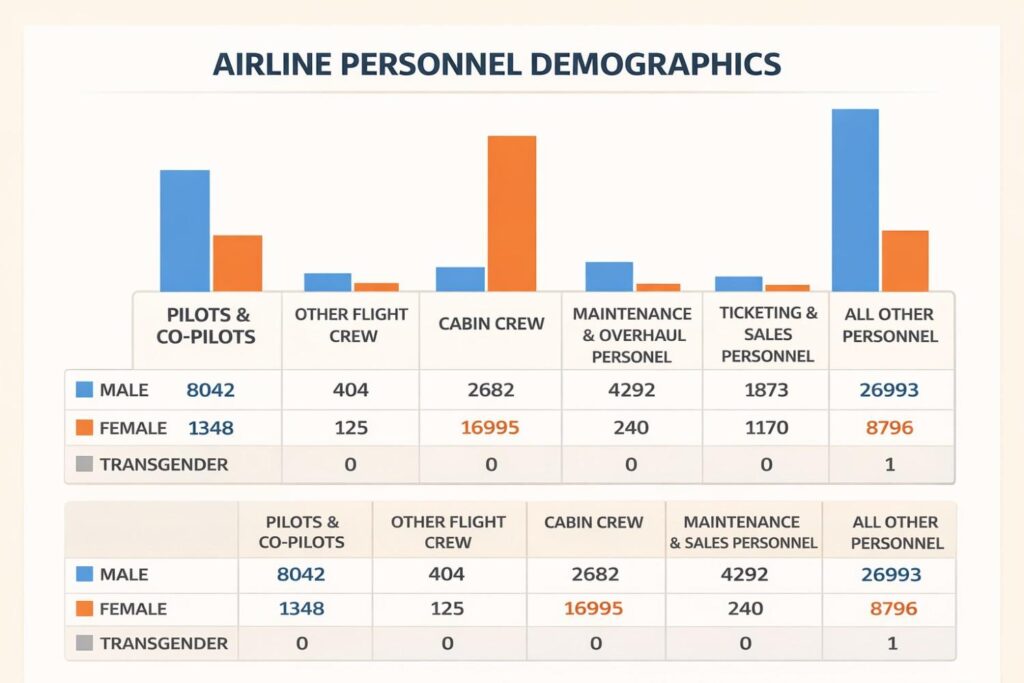
India currently leads the world with the highest percentage of female pilots, with women making up roughly 15% of the cockpit crew—nearly three times the global average. In 2026, with major carriers like Air India and IndiGo expanding their fleets rapidly, there has never been a better time for girls to pursue an aviation career.
If you’ve just completed Class 12 and are wondering how to become a pilot in India, this guide gives you a clear, step-by-step roadmap—without confusion.
Eligibility Criteria for Female Pilots in 2026
Before you enroll in an aviation training academy, you must meet the requirements set by the Directorate General of Civil Aviation.
Academic Requirements
- Educational Background: 10+2 with Physics and Mathematics (PCM)
- Minimum Marks: 50–60% (varies by airline/cadet Pilot program)
- Non-Science Students: You can clear Physics and Maths through NIOS to become eligible
Many students take this route successfully every year.
Age and Physical Standards
- Age: Minimum 17 years to start, 18 years for CPL
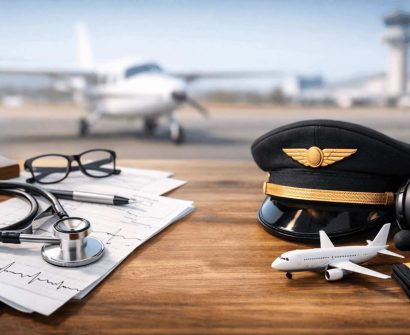
- Medical Fitness: Must pass DGCA Class 1 Medical
- Vision: 6/6 (correctable allowed)
- Height: Preferred minimum ~152 cm
Pro tip: Always get a Class 2 Medical first to avoid future surprises.
Step-by-Step Process to Become a Pilot After 12th
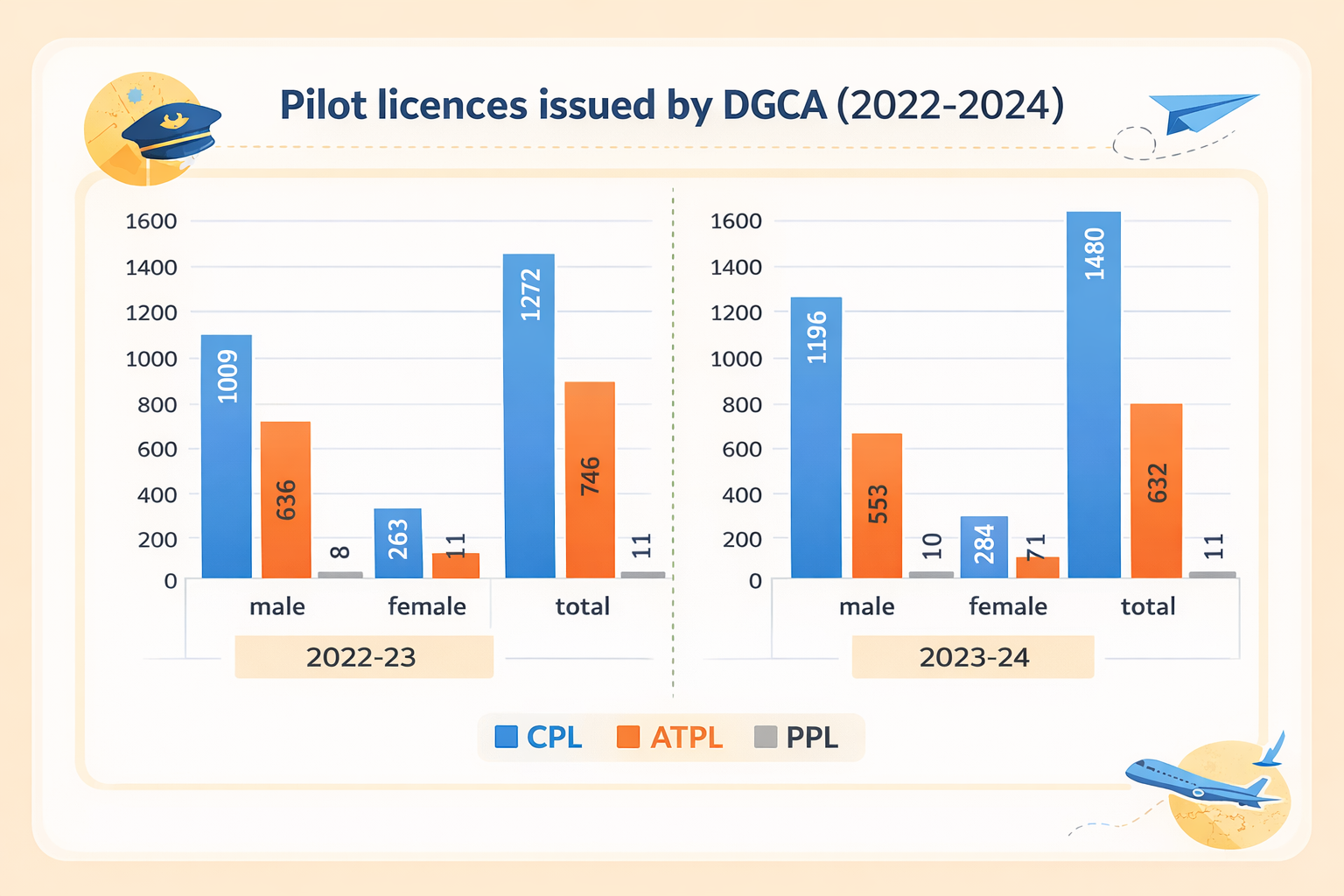
The journey involves theory exams, flying hours, and licensing.
Step 1: Obtain Your DGCA Computer Number
Your DGCA Computer Number is your aviation identity.
- Apply via the eGCA portal
- Required for all pilot exams
Step 2: Clear Your DGCA Ground Classes
You must pass the following subjects:
- Air Regulations
- Air Navigation
- Aviation Meteorology
- Technical General
- Technical Specific
- RTR (Radio Telephony)
Most students find this stage more challenging than flying itself.
Step 3: Complete 200 Hours of Flying Training
Join a DGCA-approved Flying Training Organisation (FTO):
- 100 hours Pilot-in-Command (PIC)
- Cross-country flying
- Instrument flying
- Night flying
Duration: 12–18 months
Step 4: Get Your Commercial Pilot License (CPL)
After completing:
- Ground exams
- 200 flying hours
- Medical certification
You will receive your CPL from DGCA Ground Classes.
Step 5: Type Rating (Aircraft-Specific Training)
To work with airlines like IndiGo or Air India:
- Train on Airbus A320 or Boeing 737
- Duration: 6–8 weeks
- Cost: ₹15–25 lakh
This step makes you job-ready for airlines.
Learn more about: DGCA Class 1 and Class 2 Medical Certificates
Pilot Training Cost in India (2026)
| Component | Cost (Approx) |
|---|---|
| Ground Classes | ₹1.5L – ₹3L |
| Flying Training | ₹40L – ₹50L |
| Type Rating | ₹15L – ₹25L |
| Total Cost | ₹55L – ₹85L |
Cadet Pilot Programme (Faster Route)
Airlines offer structured training programs.
Pros:
- Job assurance (Letter of Intent)
- Airline-specific training
Cons:
- Higher cost (₹90L – ₹1.2 Cr)
Scholarships for Female Pilots
To encourage women in aviation:
- Programs by Boeing
- State government subsidies
- Education loans from major banks
Many students finance their entire training through loans.
Common Mistakes to Avoid
- Starting to fly before clearing DGCA exams
- Ignoring medical tests early
- Choosing low-quality flying schools
- Underestimating RTR exam difficulty
Conclusion: Your Flight Plan for Success
Becoming a pilot is not just about flying—it’s about discipline, planning, and consistency.
Next Steps:
- Check PCM eligibility (or enrol in NIOS)
- Get Class 2 Medical
- Apply for DGCA Computer Number
- Start ground classes
Want to Go Further?
Would you like:
- Top DGCA-approved flying schools in India
- Best ground classes for DGCA exams
- Step-by-step exam-clearing strategy
FAQ
Q: Can I wear glasses and still be a pilot?
A: Yes! As long as your vision is correctable to 6/6 with glasses or contact lenses and you have no color blindness, you can pass the DGCA Class 1 Medical.
Q: How long does it take to become a pilot after 12th?
A: On average, it takes 18 to 24 months to complete the ground exams and 200 hours of flying time.
Q: Is there an upper age limit for women to start training?
A: There is no official DGCA upper age limit, but most airlines prefer candidates under 30–35 years for initial entry roles.
Q: What is the salary of a female pilot in India?
A: A Junior First Officer starts at approximately ₹1.5 Lakh to ₹2 Lakh per month. Senior Captains can earn up to ₹6 Lakh to ₹10 Lakh per month.