Currently Empty: ₹0.00
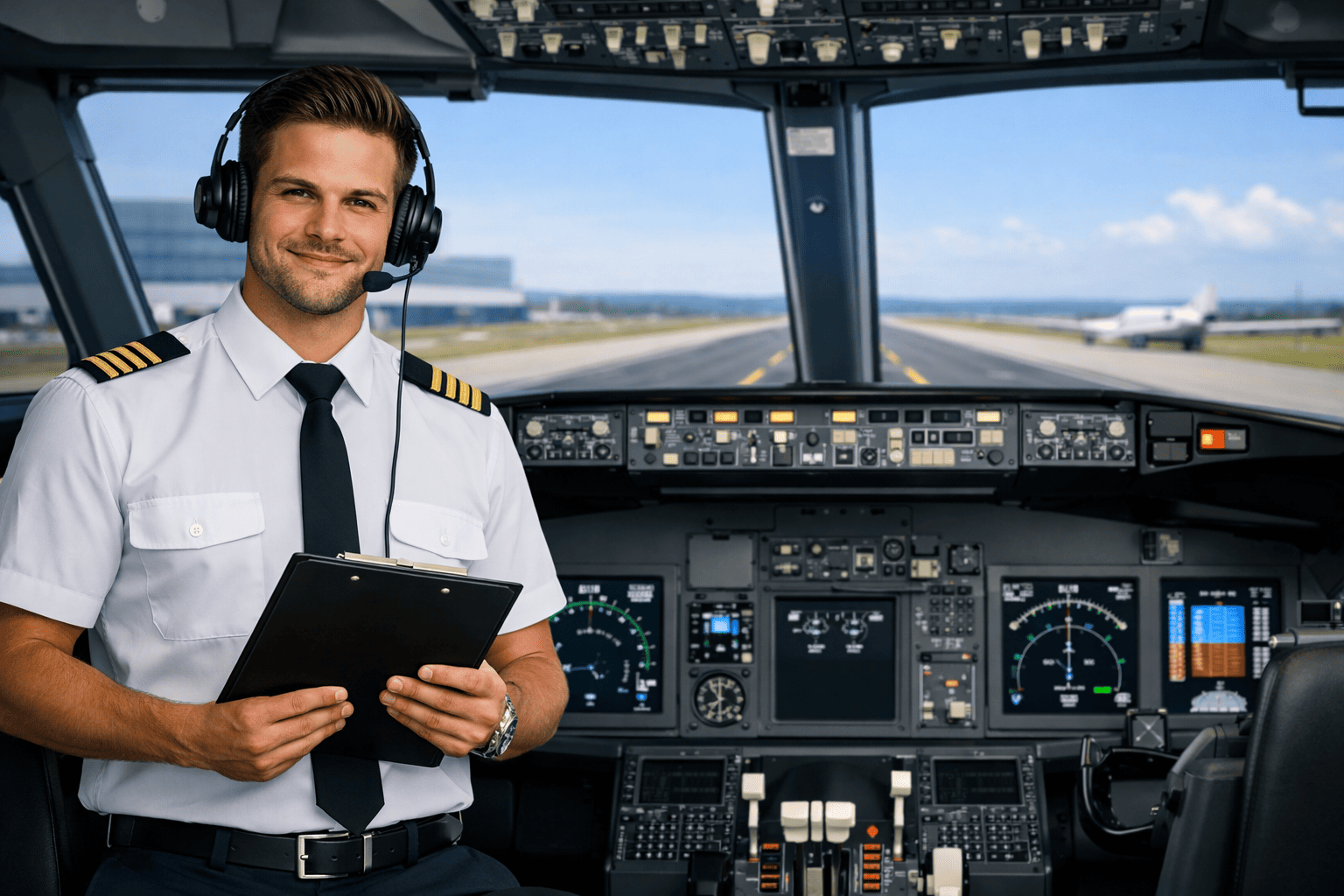
The year 2026 marks a historic turning point for Indian aviation. With record-breaking aircraft orders from carriers like Air India, IndiGo, and Akasa Air, the demand for “cockpit-ready” professionals has never been higher. However, the path to the flight deck is not a simple one-way street; it is a highly regulated, multi-stage marathon that requires precision and planning.
If you are an aspiring aviator, understanding how to become a pilot in India is about more than just knowing how to fly. It involves navigating the Directorate General of Civil Aviation (DGCA) bureaucracy, clearing rigorous medicals, and choosing the right training path. This guide provides the complete, humanised roadmap to getting your wings in 2026.
DGCA Medical Requirements: The Foundation of Your Career
Before you buy a single textbook or visit an aviation training academy, you must ensure you are physically fit to fly. In the eyes of the DGCA, your health is as important as your flying skills. The medical process is divided into two distinct stages: Class 2 and Class 1.
Class 2 Medical: The Initial Filter
The Class 2 Medical is the first step for any student pilot. It is conducted by DGCA-empanelled doctors across India. They check your basic health metrics, including eyesight (6/6 vision with or without glasses), hearing, and general physical fitness.
- Timeline: Valid for 2 years (for those under 40).
- The Goal: This medical allows you to obtain a Student Pilot License (SPL) and start your initial flight training.
Class 1 Medical: The Commercial Standard
The Class 1 Medical is the “Gold Standard” required to hold a Commercial Pilot License (CPL). These assessments are more stringent and are conducted at specialised centres like Air Force Medical Examination Centres (IAM, AFCME) or designated civil hospitals.
- The Process: It includes ECGs, audiometry, extensive blood work, and stress tests.
- Pro-Tip: Never start expensive flight training until you have at least applied for your Class 1. You don’t want to spend ₹50 lakhs only to find out you have a disqualifying medical condition later.
DGCA Exams for Pilots: The Academic Hurdle
While flying is the fun part, the “Ground” part is where many dreams are tested. To get your CPL, you must clear the DGCA exams list, which consists of five core theoretical papers. These exams are held every quarter and are known for their high difficulty and 70% passing threshold.
The 5 Core Papers:
- Air Regulations: The laws of the sky, including ICAO standards and Indian aviation acts.
- Air Meteorology: Understanding weather patterns, cloud formations, and how to read “METAR” and “TAF” reports.
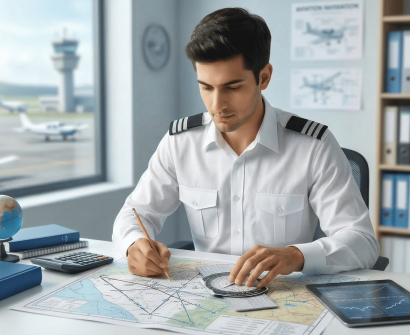
- Air Navigation: Learning how to plot a course, calculate fuel burn, and use radio aids to find your way.
- Technical General: The physics of flight, aircraft engines, and systems (hydraulics, electrics, etc.).
- Technical Specific: An exam based on the specific aircraft you will fly during training (e.g., Cessna 172 or Diamond DA40).
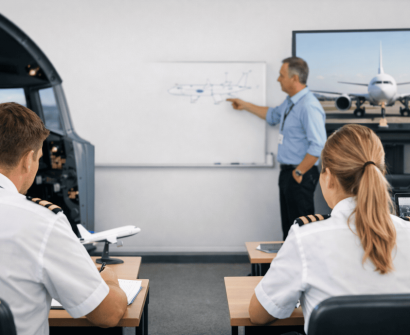
Many students enroll in specialised DGCA ground classes to master these subjects. In 2026, the exam pattern has shifted toward “scenario-based” questions, making rote memorisation a thing of the past.
Choosing Your Pilot Training Path: Cadet vs. Conventional
Once you have your medicals and have started your exams, you face the biggest decision of your career: which CPL exam preparation training process will you follow? In 2026, there are two primary routes.
The Cadet Pilot Program (The “Fast Track”)
A Cadet Program is an airline-backed “zero-to-hero” course. Airlines like IndiGo or Air India partner with a global aviation training academy to train you.
- The Gatekeeper: You must pass the adapt psychometric test and a series of aptitude rounds before being selected.
- The Perk: You receive a “Letter of Intent” (LOI), which is essentially a job guarantee, provided you complete the training successfully.
The Conventional Route (The “Self-Made” Path)
In the conventional route, you choose your own flight school (either in India or abroad) and manage your own timeline.
- Flexibility: You can pay as you go and choose where you fly.
- The Challenge: There is no job guarantee. You must apply for airline vacancies after receiving your license and clear the Airline pilot interview on your own merit.
Comparison Table: Cadet vs. Conventional (2026)
| Feature | Cadet Pilot Program | Conventional CPL Route |
| Average Cost | ₹1 Crore – ₹1.2 Crore | ₹45 Lakh – ₹65 Lakh |
| Job Security | High (LOI provided) | Low (Self-placement) |
| Selection Process | Complex (adapt psychometric test) | Admission-based |
| Training Speed | Fast (18–22 months) | Variable (24–36 months) |
| Type Rating | Usually included | Often self-funded |
Timeline to Become a Commercial Pilot
Success in aviation is all about managing your “Seniority.” The sooner you get your license, the faster you climb the ranks to Captain. Here is a realistic pilot training steps in India timeline for 2026:
- Months 1-3: Clear Class 2 Medical and obtain a Computer Number via the eGCA portal.
- Months 4-9: Attend ground classes and clear all DGCA written papers.
- Months 10-22: Flight training (200 hours). If training abroad, this includes the Conversion Considerations (passing the Indian Air Regs and Composite exams upon return).
- Months 23-26: License issue and preparation for the Airline pilot interview.
- Months 27+: Type Rating (learning to fly an Airbus A320 online training or Boeing 737) and joining the airline.
Conversion Considerations: Training Abroad
Many Indian students choose to fly in the USA, South Africa, or New Zealand because of better weather and faster aircraft availability. However, if you train abroad, you must “convert” that license to an Indian CPL.
- Papers Required: You must pass the DGCA Air Regulations and the “Composite” (Met + Nav) paper.
- Flying Checks: You must perform “Skill Tests” in India on an Indian-registered aircraft to prove your proficiency in local airspace.
Conclusion & Next Steps
Becoming a pilot in India in 2026 is a massive financial and emotional investment, but with the current aviation boom, the rewards are equally high. The key is to take it one step at a time: Medicals first, Exams second, and Flying third.
Your Immediate “Pre-Flight” Checklist:
- Register on eGCA: Create your pilot profile today to get your Computer Number.
- Book a Class 2 Medical: Find a local empanelled doctor and get your fitness certificate.
- Start Ground Classes: Don’t wait to finish your 12th grade; start learning Navigation and Meteorology early.
- Research Academies: Visit at least two aviation training academies to compare their fleet and instructor-to-student ratio.
Frequently Asked Questions (FAQs)
Q: Can I become a pilot if I have glasses?
A: Yes! As long as your vision is correctable to 6/6 with glasses or contact lenses and you have no underlying eye pathology, you can pass the DGCA Class 1 medical.
Q: What is the total cost of pilot training in India in 2026?
A: For the conventional route, expect to spend ₹50–60 Lakhs (including Type Rating). For Cadet Programs, the cost is significantly higher, ranging from ₹1 Crore to ₹1.2 Crore.
Q: Is there an age limit to start?
A: You can start your ground classes at 17, but you must be 18 to hold a CPL. Most airlines prefer candidates under 30–35 for initial entry-level positions.
Q: Which subjects are mandatory in 12th grade?
A: You must have Physics and Mathematics in your 10+2. If you didn’t, you can clear these subjects via NIOS (National Institute of Open Schooling) before applying.